The Golden Bean of Sapecho: A Legacy of Cooperation and Cacao
📅 Seasonal Timing
Best Window (May to October): The dry winter season offers clear skies, minimal rainfall, and the safest transit conditions down from the high country.
Avoid (November to April): The heavy rainy season causes serious mud risks, washouts, and landslides along the steep mountain routes.
🌡️ Climate & Temperature
The Route: Begins with intense high-altitude mountain sun during the day (15°C to 20°C / 59°F to 68°F), dropping sharply at night (2°C to 10°C / 35°F to 50°F).
The Destination: Settles into Sapecho’s true low-altitude tropical Amazon basin environment, which is consistently hot, lush, and humid (averaging 28°C to 32°C / 82°F to 90°F).
In the lush, humid gateway to the Bolivian Amazon lies Sapecho, a region in the Alto Beni that has become synonymous with some of the world’s finest organic cacao. The story of cacao in Sapecho is not merely one of agriculture, but a profound narrative of international cooperation, botanical resilience, and the triumph of small-scale farmers over the volatile global market. It is a story that began with a vision of sustainable development and has grown into a multi-million dollar export industry that defines the identity of the region.
The German Spark: Foundations of the Cacao Movement
The transformation of Sapecho into a cacao powerhouse traces back to the 1960s and 70s. During this era, the Bolivian government sought to colonize the Yungas and Alto Beni regions to alleviate population pressure in the Altiplano. However, the settlers—mostly Aymara and Quechua highlanders—faced the daunting challenge of farming in a tropical environment entirely foreign to them.
Recognizing the need for specialized knowledge and infrastructure, German non-governmental organizations (NGOs) and developmental agencies, notably those supported by the German government (such as the DED and later GIZ), stepped in. These organizations brought more than just funding; they brought technical expertise in tropical agroforestry. The German intervention was pivotal in establishing the first organized cacao nurseries. They focused on a model that favored the Arriba and Forastero varieties, ensuring that the crops were not only productive but also adapted to the specific microclimate of the Sapecho basin.
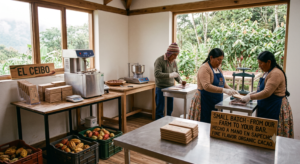
The most lasting legacy of this German cooperation was the emphasis on the cooperative model. Rather than encouraging individual large-scale plantations, they fostered the idea that smallholders could achieve economy of scale by working together. This philosophy laid the groundwork for what would eventually become “El Ceibo,” the first federation of cacao cooperatives in Bolivia, which remains a global gold standard for fair trade and organic production.


The Life of the Plant: From Seed to Shade
The cacao plant (Theobroma cacao) is a demanding resident of the Sapecho landscape. In this region, the plants thrive under a system known as “Successional Agroforestry.” Unlike monoculture plantations that strip the land, Sapecho’s cacao grows beneath a canopy of taller trees—mahogany, cedar, and fruit trees like citrus and banana.
The botanical story starts in the nurseries, where seeds are carefully selected from “mother trees” known for their resistance to diseases like “Witches’ Broom” (Moniliophthora perniciosa). The German-led initiatives taught farmers the art of grafting, allowing them to combine the hardy rootstocks of local varieties with the high-quality flavor profiles of premium clones.
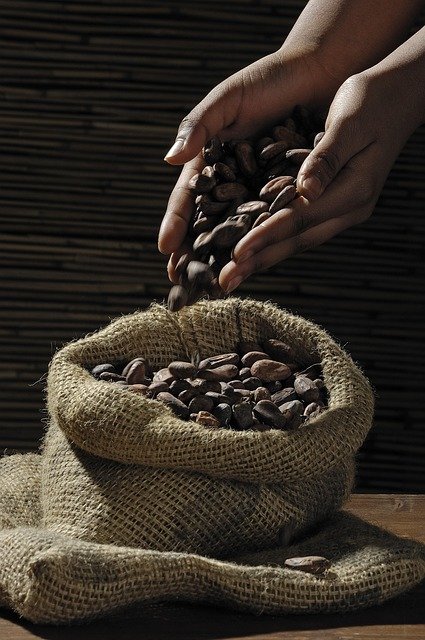
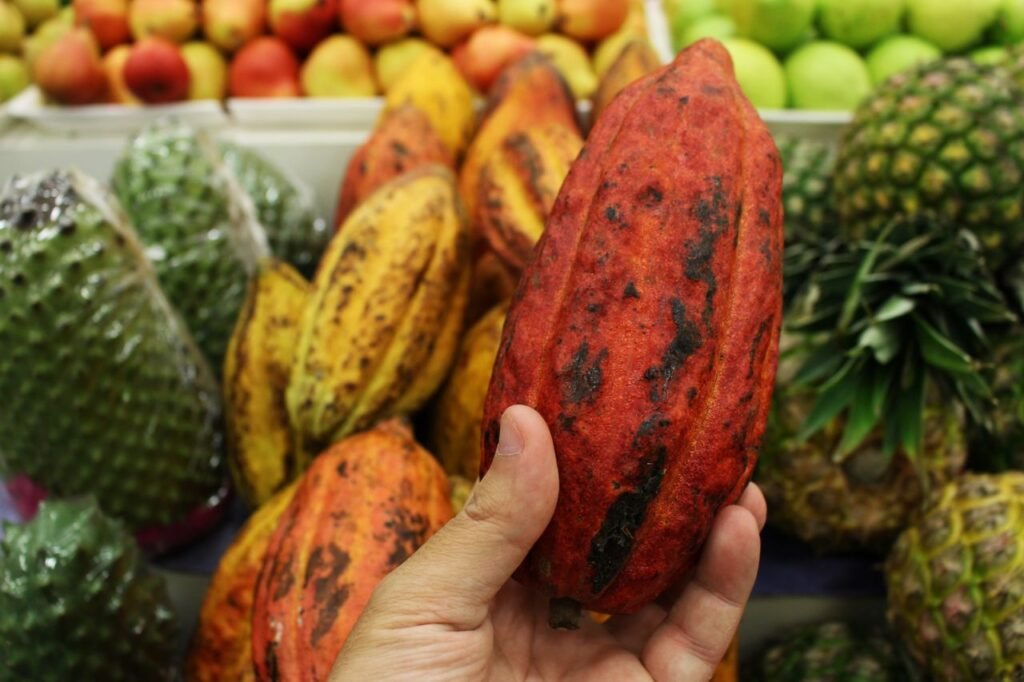
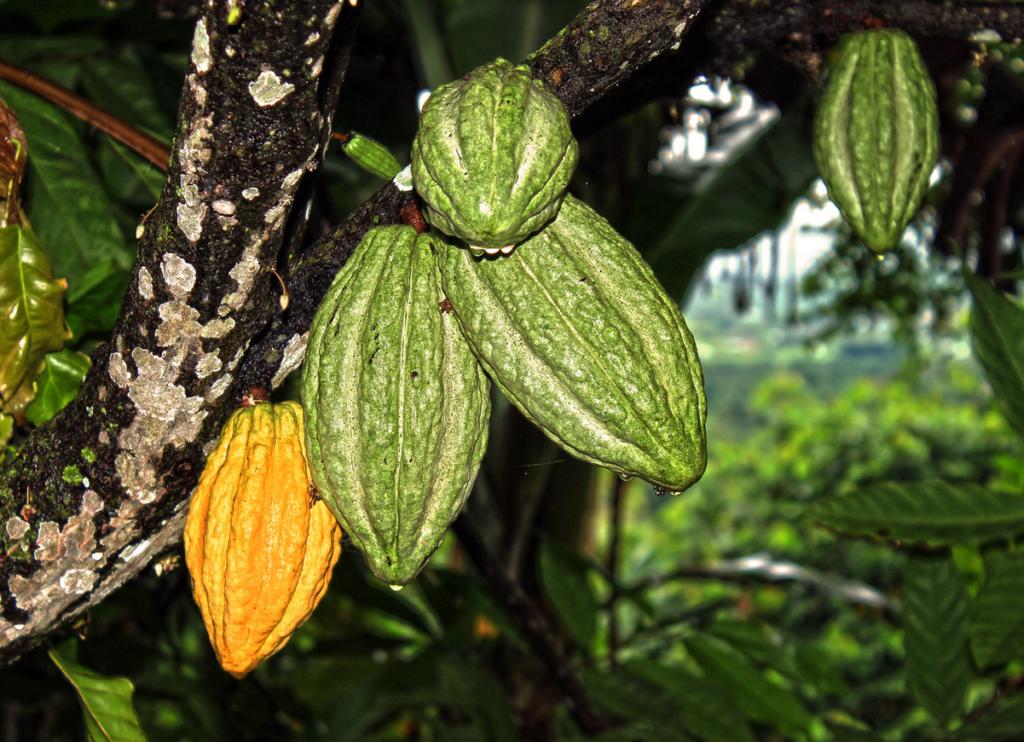
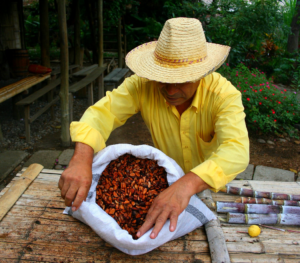
In Sapecho, the harvest is a seasonal rhythm. When the pods turn from green or deep purple to a vibrant yellow or orange, they are hand-picked. The “beans”—actually seeds encased in a sweet, white mucilage—are extracted and then undergo the most critical phase: fermentation. In Sapecho, this is done in wooden boxes for five to seven days. This process, perfected through decades of technical training, is where the complex chocolate aromas are born. Following fermentation, the beans are sun-dried on large wooden decks, ensuring a moisture content of around 7%, ideal for long-distance shipping.




The Business of Cacao: Sales and Global Exports
What began as a subsistence crop for highland migrants has evolved into a sophisticated commercial operation. The sale of Sapecho’s cacao is dominated by the cooperative structure. By bypassing traditional middlemen (rescatistas), farmers are able to retain a much higher percentage of the final sale price.
The “Organic” and “Fair Trade” certifications, heavily encouraged by early European partners, have been the keys to unlocking these markets. Consumers in Europe are willing to pay a premium for Sapecho cacao because it represents environmental conservation and social equity. Bolivia now ranks as a significant producer of “fine or flavor” cacao according to the International Cocoa Organization (ICCO), with the Alto Beni region, centered around Sapecho, providing the lion’s share of this high-quality output.
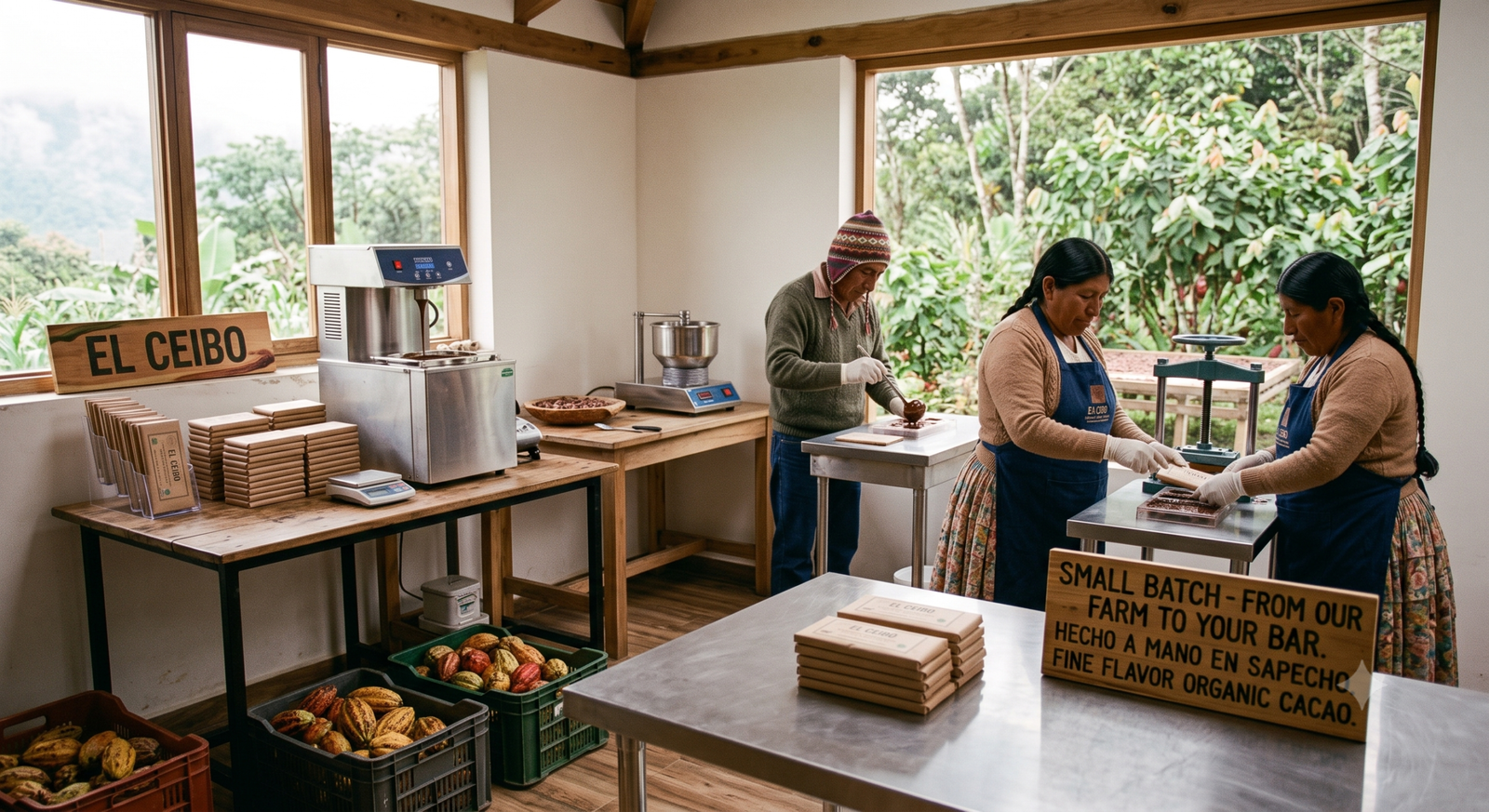
The export story of Sapecho is inextricably linked to the “El Ceibo” brand. In the late 1980s, Sapecho’s farmers took a bold step: they stopped selling raw beans to multinational corporations and began processing their own chocolate. Today, Sapecho cacao is exported to elite markets in Germany, Switzerland, Italy, and the United States.
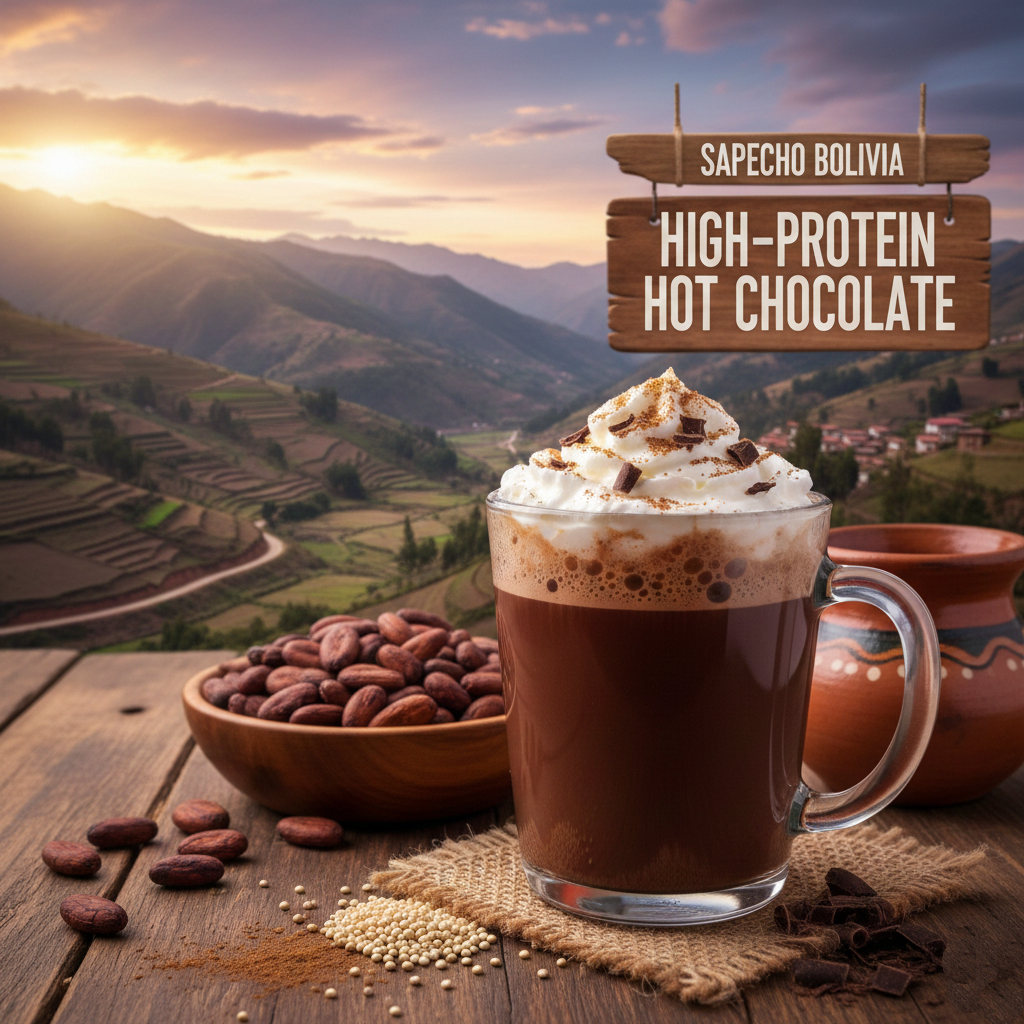
Nutritional Notes
- Milk Choice: Using whole milk adds even more protein, but even with non-dairy picks, you’ll get at least 12 grams of protein per cup (depending on the brand).
- Protein Powder: Orgain is recommended for a cleaner taste without the \”protein\” aftertaste, though whey-based powders generally offer a higher protein count per scoop.
- Prep time: 5 mins
- Servings: 1
Ingredients
- 1/2 cup water
- 1/2 cup whole or plant-based milk
- 1 Tbsp. dark chocolate chips
- 1 scoop chocolate protein powder
- 2 tsp. unsweetened cocoa powder
- Pinch of kosher salt
- Marshmallows and/or whipped cream, for serving
Directions
- Heat the Base: In a small saucepan over medium heat, cook water and milk until slightly steaming.
- Melt the Chocolate: Whisk in the dark chocolate chips until completely melted.
- Combine Powders: Add the protein powder, cocoa powder, and salt. Whisk vigorously until the powders are fully dissolved and the mixture is smooth.
- Serve: Pour the hot chocolate into a mug. Top with marshmallows and/or whipped cream if desired.
🎒🏕️📸Must-haves
Waterproof Backpack Dry Bag: When traveling through the humid Alto Beni river basins and open plantation decks, keeping your gear dry is absolutely essential. Protect your camera and electronics with a durable Waterproof Dry Bag on Amazon.
High-DEET Insect Repellent: The lush canopy that shelters organic cacao is also home to persistent tropical insects. Pack heavy-duty Max-Strength Bug Spray on Amazon to keep comfortable under the shade trees.
Broad-Spectrum Sunscreen: Don’t let the forest cover fool you; when you step out onto the wide, wooden drying decks where the cacao beans bake, the tropical sun is intense. Keep protected with high-quality SPF 50+ Sunscreen on Amazon.
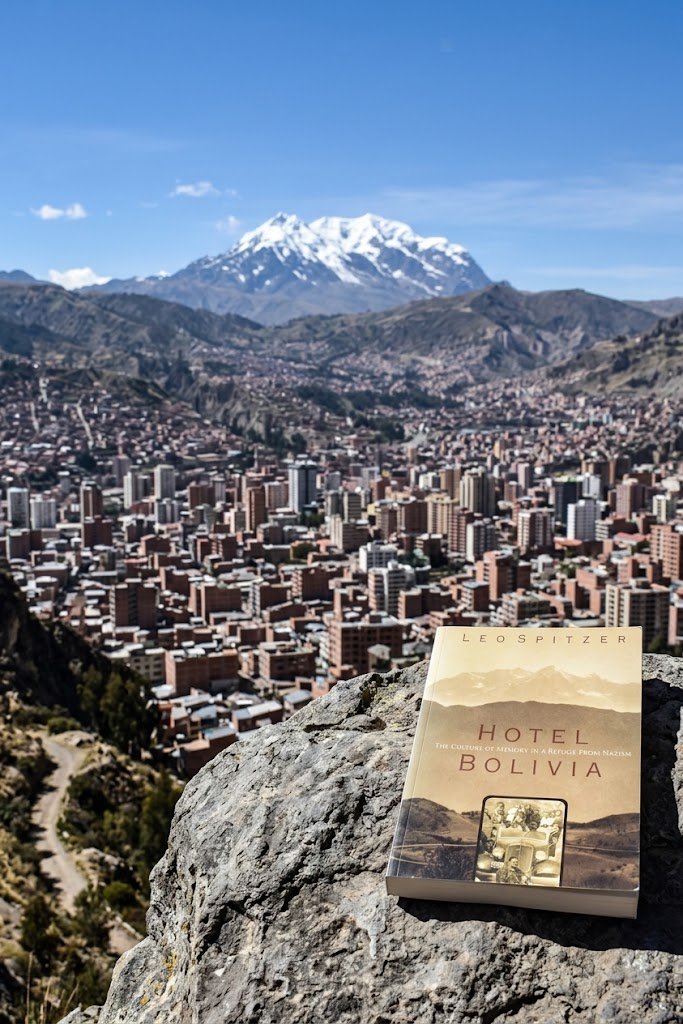
📚 Featured Reading