
Peru’s Avian Wonders: A Complete Guide to the World’s Greatest Bird Diversity
Home to nearly 1,900 recorded bird species—representing roughly 15% to 20% of the world’s total avian population—Peru is an unparalleled global haven for birdwatchers and nature enthusiasts. From the Pacific coast to high-altitude Andean cloud forests and expansive Amazonian lowlands, Peru’s extraordinary geographic variety supports one of the richest, most complex ecosystems on Earth.
Whether you are a seasoned birder checking endemics off your life list or a casual traveler eager to catch a glimpse of the colorful Andean Cock-of-the-rock, this guide breaks down Peru’s top birding regions, flagship species, and key travel tips.
Key Avian Statistics at a Glance
- Total Recorded Species: ~1,879 to 1,897 documented species.
- Endemic Species: Over 100 species found exclusively within Peru’s borders.
- National Bird: Andean Cock-of-the-rock (Rupicola peruvianus).
- Global Ranking: Consistently ranked among the top two countries on Earth for bird diversity.
Plan Your Trip: Ready to start booking flights, hotels, and tours across Peru? Compare options and secure the best rates using Travelpayouts.
Major Birding Regions & Habitats
1. The Amazon Basin
Covering over 60% of Peru’s territory, the Amazon basin holds the country’s highest concentration of avian life. Protected zones like Manú National Park and the Tambopata National Reserve each host upwards of 1,000 species, including vibrant macaws, toucans, cotingas, and Amazonian antbirds.
2. The Andes Mountains & Cloud Forests
Spanning steep gradients and high-altitude elevations, the Andean zone harbors mist-shrouded cloud forests and specialized habitats. Here you can spot the iconic Andean Condor, high-altitude hummingbirds, and secretive endemic tapaculos.
3. The Pacific Coast & Arid Valleys
Fed by the nutrient-rich Humboldt Current, the Peruvian coastline supports immense populations of marine birds, including pelicans, boobies, and the endangered Humboldt Penguin.
Highlighted Endemic & Threatened Species
| Species | Primary Habitat | Distinguishing Features | Status |
| Marvelous Spatuletail (Loddigesia mirabilis) | Utcubamba River Valley | Racket-tipped outer tail feathers | Endangered |
| Andean Cock-of-the-rock (Rupicola peruvianus) | Andean Cloud Forests | Bright scarlet-orange plumage & crest | National Bird |
| Junín Grebe (Podiceps taczanowskii) | Lake Junín (Central Highlands) | Flightless, highly restricted endemic | Critically Endangered |
| White-winged Guan (Penelope albipennis) | Dry Forests of NW Peru | Arboreal, white primary flight feathers | Endangered |
Recommended Birdwatching Itineraries
Route 1: The Northern Peru Endemics Circuit (7–10 Days)
- Highlights: Abra Patricia, Huembo Lodge, Utcubamba Valley.
- Key Targets: Marvelous Spatuletail, Long-whiskered Owlet, Royal Sunangel.
- Best For: Dedicated birders seeking rare endemics.
Route 2: The Southern Amazon & Cloud Forest Loop (8–12 Days)
- Highlights: Cusco, Manu Road, Cock-of-the-Rock Lodge, Tambopata Macaw Clay Licks.
- Key Targets: Andean Cock-of-the-rock, Scarlet Macaw, Pale-billed Woodpecker.
- Best For: First-time travelers wanting high species counts and iconic Amazonian wildlife.
Essential Birding Gear Checklist
When exploring damp cloud forests or humid Amazon lowlands, having reliable gear is essential for spotting and documenting fast-moving species.











Right Camera for the Trip – Must-Have Gear for Rainforest Shooting
Rainforests are wet, dark, and humid. Protect your gear and lock in sharp shots with these essentials:
If minimizing airline carry-on size and hiking weight is your top priority, Micro Four Thirds (MFT) systems rule travel bird photography. Because of the sensor’s $2\times$ crop factor, a compact lens gives you double the effective reach without the huge physical glass requirements of full-frame systems.
- Camera:OM System OM-1 (or OM-1 Mark II)
- Body Weight: ~599 g (including battery).
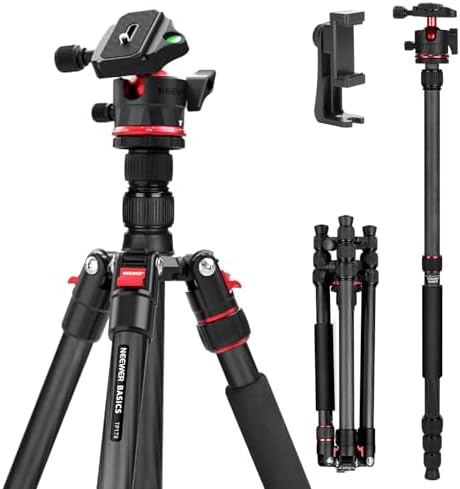
- Why it’s perfect for bird bloggers: It features incredible AI bird-detection autofocus, class-leading weather sealing (essential for cloud forests and rainforests), and up to 8.5 stops of IBIS. You can capture tack-sharp bird photos handheld at slow shutter speeds without lugging a tripod.
- Ideal Travel Lens: OM SYSTEM M.Zuiko 100-400mm f/5.0-6.3 IS (gives you a massive 200–800mm equivalent reach at just 1.1 kg).











When to Visit Peru for Birding
- Dry Season (May – October): Ideal for hiking in the Andes and exploring high-altitude cloud forests with clear skies and accessible trails.
- Wet Season (November – April): Peak activity for resident species breeding in the Amazon lowland; prime time for observing fruiting trees that attract large flocks of frugivores.




Start Planning Your Expedition
For custom itineraries, private guiding, and seamless logistics across Peru, contact the travel specialists at Via Andina Travel.