Unlocking Montevideo’s Cannabis Culture: Myth vs. Reality for Travelers
When Uruguay made history in 2013 as the first nation in the world to fully regulate adult-use cannabis, travelers worldwide pictured a South American Amsterdam. Images of Dutch-style coffee shops lining the historic streets of Montevideo immediately took root in travel forums.
If you are planning a trip to Uruguay, here is the honest truth about buying weed in Montevideo, how the laws actually work for non-residents, and how to experience the country’s pioneering cannabis culture legally.
The Old Port Market Myth: Are There Legal Coffee Shops?
A common belief among visitors is that you can walk into a cafe near the iconic Mercado del Puerto (Old Port Market) in Ciudad Vieja and order a joint alongside your espresso.
The Reality: There are no over-the-counter recreational cannabis cafes in Uruguay.
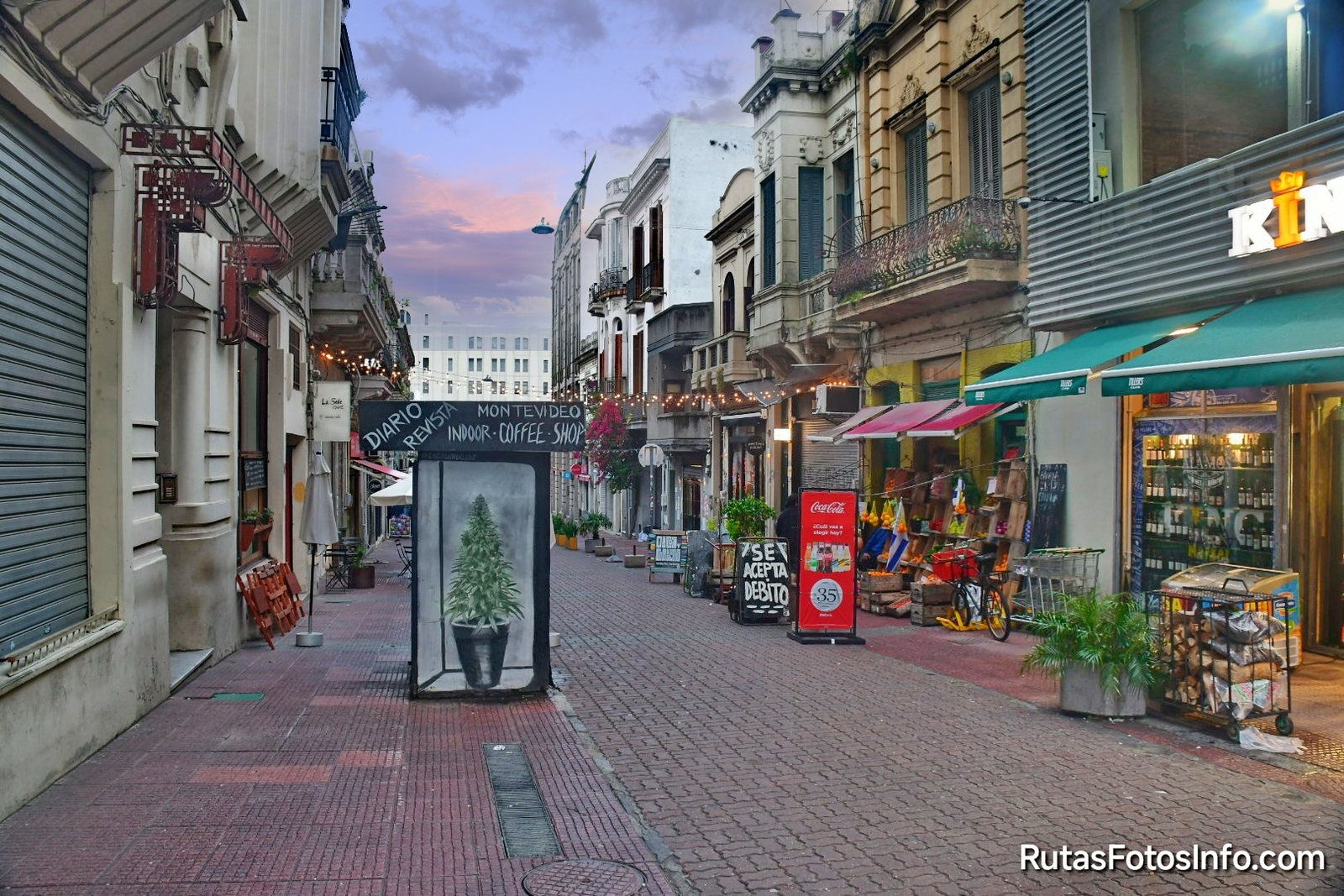
When exploring the narrow, historic streets around the port market, you will notice plenty of local “Grow Shops”. Places like Media Grow and other nearby paraphernalia boutiques are fully legal, but they do not sell THC-rich recreational cannabis flower over the counter. Instead, they sell:
High-end cultivation equipment, seeds, and soil (for registered local growers)
Smoking accessories, rolling papers, and local art
CBD products, hemp cosmetics, and infused teas



Can Foreign Tourists Legally Buy Weed in Uruguay Right Now?
The short answer: Under current national regulations, direct recreational sales remain restricted to Uruguayan citizens and permanent residents aged 18 and older.
Residents register with the government regulatory body (IRCCA) and choose one of three official supply channels:
- Pharmacies: Registered locals purchase state-regulated flower at authorized pharmacies.
Membership Clubs: Private, non-profit growing collectives
Home Cultivation: Growing up to six plants at home.
Because registration requires an Uruguayan ID and fingerprint enrollment at local post offices, foreign visitors cannot walk into a pharmacy or join a legal club to purchase cannabis.
Will this change soon?
Uruguay’s national drug strategy body (JND) and the IRCCA are actively studying pathways to open non-resident access—such as temporary tourist registries or visitor passes for private clubs—to discourage the illicit market. While these policy shifts remain under active debate, no tourist-sale decree is active today.



How to Experience Cannabis Culture in Montevideo Legally
Even without a retail dispensary model, Montevideo boasts one of the most progressive and welcoming cannabis cultures in the world. You don’t need a registration card to immerse yourself in the scene:
1. Visit the Cannabis Museum of Montevideo (Museo del Cannabis)
Located in the charming Palermo neighborhood, the Museo del Cannabis de Montevideo is a must-visit cultural hub. Housed in a vibrant historic building with a lush garden, the museum traces the global history of hemp, the botanical science of the plant, and Uruguay’s landmark law. It serves as a community space where travelers can learn, sip mate, and connect with local activists.
2. Take an Educational Walking Tour
A popular trend in the capital is specialized Cannabis Walking Tours. Local guides take visitors through Ciudad Vieja and Parque Rodó, explaining how legalization transformed urban life, visiting pioneer grow shops, and offering a deep dive into the local social club dynamic.
3. Understand Public Consumption Rules
While buying recreational weed is legally restricted to locals, personal possession and public consumption are non-criminalized.
The Rule of Thumb: In Uruguay, cannabis consumption is treated under the exact same health guidelines as tobacco.
You can legally smoke in designated outdoor public areas—such as along the iconic Rambla boardwalk at sunset or in public parks.
Where it’s banned: Enclosed public spaces, restaurants, hotels, workplaces, and near schools or government buildings.
Essential Travel Tips & Legal Warnings
Border Rules (Strict Non-Tolerance): Taking cannabis out of Uruguay—whether crossing the ferry to Buenos Aires, driving into Brazil, or boarding a flight home—is a serious international crime. Always clear your bags before departing
Driving Laws: Uruguay has a zero-tolerance policy for driving under the influence of THC.
Respect Local Etiquette: Uruguayan culture values discretion and respect. Enjoying the seaside breeze along the Rambla is fine; lighting up in a crowded outdoor outdoor dining space is considered bad form.